
Goal-setting is often considered a positive behavior that supports your overall wellness. Butdoes it ever get in the way of your enjoyment of your life?
This question always takes me back to New Year’s and our optimistic resolutions – infamous for rarely coming to fruition. Goals are supposed to be SMART – specific, measurable, achievable, relevant and time-bound, but the stricter they were, the quicker I’d find myself giving up on them. I am no stranger to looking at last year’s resolutions and thinking yikes – disappointed in myself for not living up to my “perfect” self or “perfect” year. Even so, I’d be back there again the following New Year’s thinking of all the ways I could be better next year.
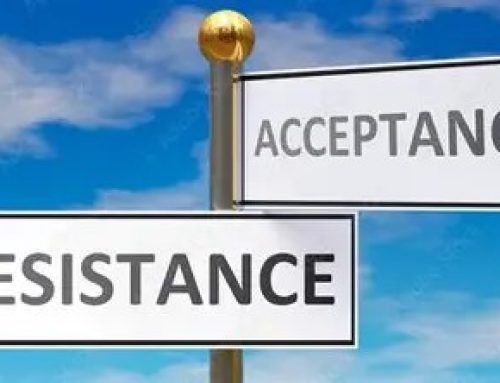
For some, goals are a great way to stay focused and motivated towards positive change, but for others, they can have unintended impacts. For those struggling to enjoy life day-to-day, they can serve as another source of negativity and pressure. For those with demand avoidance tendencies, they can make us retreat even further from those supportive actions we are hoping to take. For the over-achievers out there, they can be a measuring stick to fuel comparison and inner-bullying. And for almost everyone, they can be a reason to discount or postpone our present-moment happiness and self-acceptance in the name of growth and self-improvement. If you find that the pressure of those concrete, measurable goals and structured plans to achieve them tends to backfire for you, I want to offer two alternative routes to self-improvement to try: Intentions & Opportunities.
Intentions
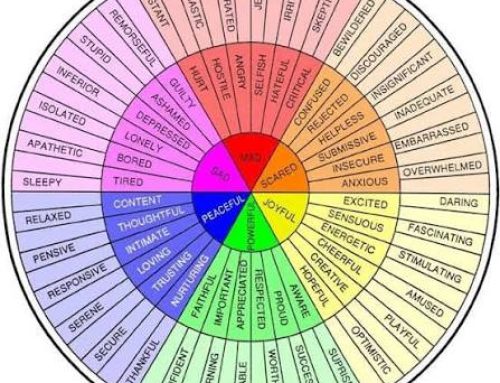
I describe intentions as the immeasurable feeling and experience we will notice in the present moment when working towards a goal. Rather than focusing on the RESULT of a goal, intentions are focused on how you want to feel or what you want to experience while acting in alignment with the goal. For example, New Year’s is rolling around and you think, “This is the year!! I’m going to lose 20 pounds, so I can finally feel good about myself again!” The goal would be losing 20 pounds, but focusing on an intention might sound like: making more choices that make me feel cared for or feeling lighter and more nourished throughout the day rather than sluggish and weighed down. Rather than postponing satisfaction until the goal is achieved, you are infusing each day with infinite opportunities to make intentional, aligned choices by focusing on what you want to feel and experience in the present moment rather than at the end. You channel motivation for change into increasing the presence of that intention in your life. By orienting your focus, perspective, thoughts and behaviors around the intention, you accumulate
positive momentum over time by leaning into it in many little moments. As you practice showing up differently in your life, you may find that you reach that goal over time, but without the shame and self-judgment until you get there.
Think of a goal you want in your life, and then spend some time envisioning what that intention might look like in the little choices you make each day. How are you showing up? What feelings and experiences are you leaning into? What little forks in the road are you looking for in your days that allow you to reach for this intention?
Opportunities
Keeping an opportunities list allows you to acknowledge your desire and interest in a certain change while giving yourself some distance from the feelings of pressure and obligation to change. An opportunities list reduces the weight of all the “shoulds” in life and turns them into possibilities and options. When you find you have the capacity and the genuine desire to try something new, you can give it a go! The perspective shift from “I have to” to “I want to” makes change feel a lot less heavy and a lot more hopeful and exciting. When the time comes to take them on, the action feels like a genuine, aligned choice rather than a shame and self-judgement fueled rush to fix yourself or your life. This approach to change focuses on the long-term “journey” of self-improvement rather than the destination. There will always be more you can do or a way to live a little better, but that doesn’t mean that right now isn’t plenty good enough as is! For example, I might be running late to an appointment one day and think “ugh my life would be so much better if I could get up early and have a morning routine.” Instead of immediately adding this shame-induced task to my to-do list and judging myself every morning that follows when that goal falls through, I add “6am Morning Routine” to my opportunities list. My perspective might shift a little right then and there from something like, “Good people have morning routines – I need to make myself into a morning routine person.” to something closer to, “I have my whole life to improve my approach to mornings in a way that works for me, and one day I’d like to try out getting up early and following a set routine to see if that’s a good fit.” The natural self-compassion that comes with being able to set that urge aside in the moment is one of the greatest benefits of this approach. Usually, one of two things happens from there. You might warm up to the idea and find it feels more approachable over time, or find that the idea has adapted into something more aligned and sustainable for you to try when the genuine desire arises the following week, month, or year from now. Maybe the idea of a 6am morning routine turned into getting up at 6am for a slow morning filled with things you enjoy rather than a checklist of “ideal” morning routine requirements. Conversely, you might notice that the thing that once felt mandatory now feels irrelevant.
For example, the urge to impulse buy those fridge and pantry organizers felt like it would change your life after a TikTok deep dive of insta-moms with perfect kitchens, but after it sat for a few months on the opportunities list, you realize that all the repackaging and labeling doesn’t actually seem like an aligned use of time or energy, and you like your easy, carefree kitchen. Sometimes our urges to change and fix ourselves and our lives are just the result of momentary discomfort or emotions. It’s okay to save yourself the energy and angst of chasing every one, and instead, let them simmer to find out what you truly desire! Trust that your natural drive for growth will kick in and allow you to see and take action on the things that truly resonate and are sustainable with the capacity you have during this season.

Positive change is a big part of working towards self-actualization and living up to your potential, but concrete, structured goals and emotion-fueled urges to fix and change ourselves can sometimes turn supportive inclinations into negative impacts. If this sounds familiar, try setting intentions or keeping an opportunities list to shift your relationship with change into one that’spersonally aligned, filled with self-acceptance and compassion, and focused on the journey!

Kelsey Terrell is a Graduate Student Intern with the Mindly Group studying Mental Health Counseling.